
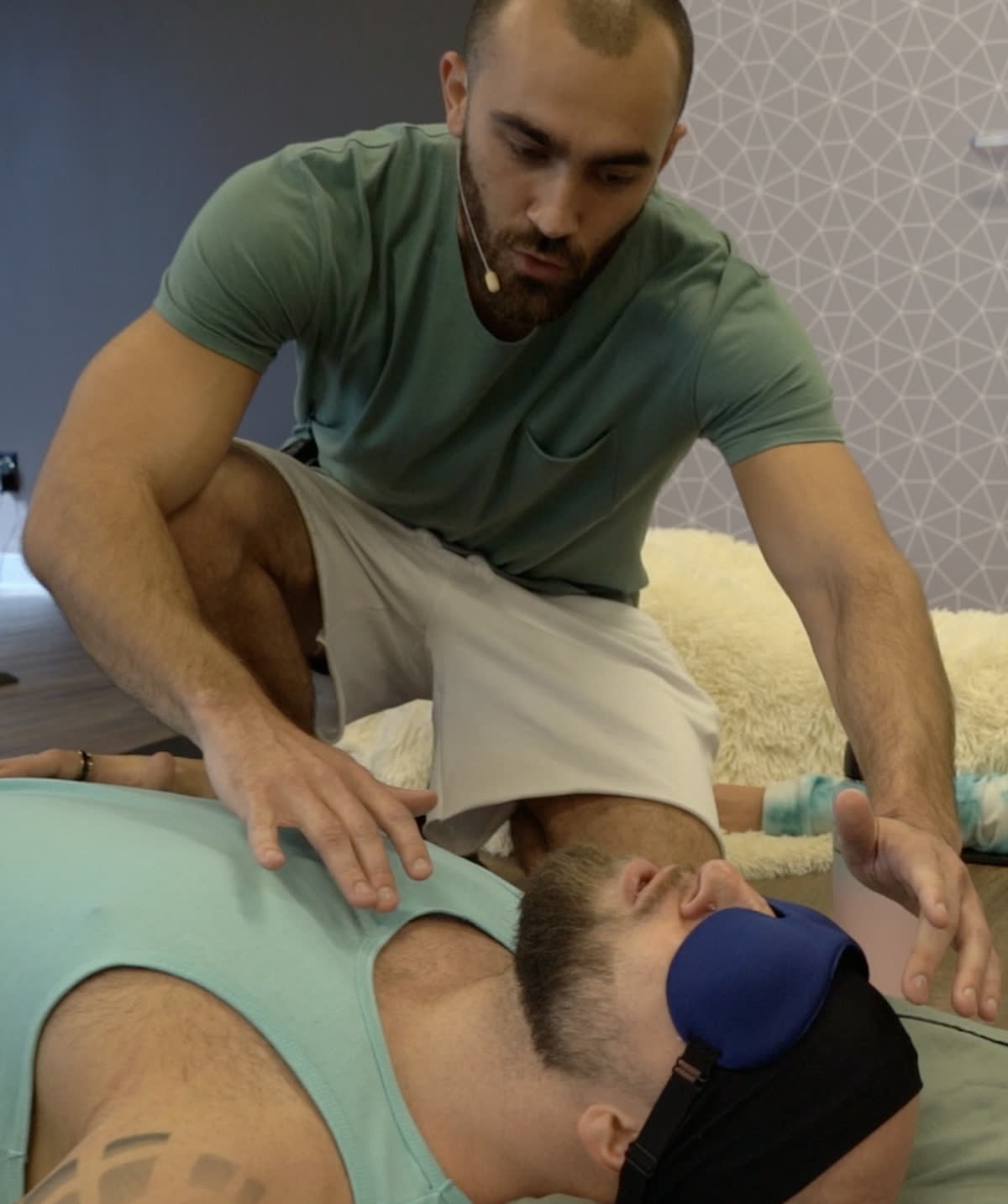
Liquid Breathwork offers Breathwork classes in Tempe and the East Valley (Chandler, Gilbert, Mesa) with sound healing and Reiki integrated into every session, providing nervous system regulation that exercise alone cannot deliver.
The National Center for Complementary and Integrative Health reports that studies of diaphragmatic breathing have seen promising positive changes in measures such as cortisol and blood pressure, while noting the evidence is still limited. The East Valley's best stress management approach combines Breathwork, yoga, float therapy, outdoor time, and professional therapy when needed.
- Breathwork classes at $44 drop-in, or $17/month membership (50% off, 7-day free trial)
- Gentle sessions from facilitators who have guided hundreds
- Accessible across Tempe, Chandler, Gilbert, Mesa, and South Scottsdale
- Pairs well with yoga, float therapy, and outdoor activities at Papago Park and Tempe Town Lake
You have the gym membership. You go three, maybe four times a week. You lift, you run, you sweat. And yet the stress is still there when you get home. The jaw clenching, the racing thoughts at 2am, the short fuse with your kids. If that sounds familiar, you're not alone (and you're not doing anything wrong).
Why the Gym Isn't Enough for Real Stress Management
Here's what nobody talks about. Exercise is great for your body, but it doesn't always address what's happening in your nervous system. You can deadlift 300 pounds and still have a nervous system stuck in fight-or-flight mode. The cortisol keeps pumping. The sleep stays shallow. The anxiety hums in the background.
This is especially true in the East Valley. Tempe, Chandler, and Gilbert are full of driven people. Tech workers commuting to the Price Corridor. Entrepreneurs grinding from home offices in South Tempe. Parents trying to hold it all together in Gilbert's master-planned neighborhoods. The stress here isn't from a lack of discipline. It's from a nervous system that never gets permission to turn off.
The gym addresses the physical layer. But stress lives deeper than your muscles. It lives in your nervous system, your breathing patterns, your ability (or inability) to actually relax. That's where these alternatives come in.
Breathwork: The Nervous System Reset
We're biased here (we run a Breathwork practice in the East Valley), but we're biased because we've watched it work for over 500 people. Breathwork is not deep breathing exercises from a YouTube video. It's a facilitated somatic practice where specific breathing techniques create measurable shifts in your nervous system.
The National Center for Complementary and Integrative Health reports that studies of diaphragmatic breathing have seen promising positive changes in measures such as cortisol and blood pressure, while noting the evidence is still limited. What our students describe is simpler: moving from fight-or-flight into rest-and-digest within a single session.
At Liquid Breathwork, we use a surrender-based, trauma-informed methodology combined with sound healing and Reiki energy work. You lie down on a mat, follow a guided breathing pattern, and let your body do what it needs to do. Some people cry. Some people laugh. Some people fall asleep (and that's fine). The common thread is that almost everyone leaves feeling lighter and calmer than when they walked in.
What Makes It Different from the Gym
The gym revs you up. Breathwork brings you down (in a good way). It directly targets your parasympathetic nervous system, which is the part responsible for rest, digestion, and recovery. Most East Valley professionals have a parasympathetic system that's essentially dormant. Breathwork wakes it back up.
No experience needed. No flexibility required. No equipment. You just show up and breathe. Our Breathwork classes run across the East Valley (Tempe, Chandler, Gilbert, Mesa, South Scottsdale) at $44 per drop-in, or significantly less with a membership ($17/month with a 7-day free trial). Sessions are guided by facilitators who have led hundreds of Breathwork sessions.
Who It's Best For
If you carry stress in your body (tight shoulders, clenched jaw, shallow breathing), Breathwork is probably the fastest path to relief. It's especially effective for people who struggle with meditation because their mind won't shut up. With Breathwork, you don't have to quiet your mind. The breathing pattern does it for you.
Yoga: More Than Flexibility
Yoga gets lumped in with fitness, but the stress management benefits are real (when you find the right style). The East Valley has a solid yoga scene, with studios scattered across Tempe, Chandler, and Gilbert offering everything from hot power vinyasa to gentle restorative classes.
For stress management specifically, look for yin yoga or restorative yoga. These slower styles hold poses for longer periods, giving your nervous system time to downregulate. A power vinyasa class is great exercise, but it's not doing much for your stress response. It's more gym than therapy.
What to Know
Yoga requires consistency. Unlike Breathwork (where a single session can shift your state), yoga builds over time. You'll probably need several weeks of regular practice before the stress management benefits really land. That said, the flexibility, strength, and body awareness you build along the way are worth the investment.
Most studios in the East Valley offer drop-in rates between $20 and $30, with monthly unlimited options ranging from $100 to $180. Many offer a free first class or a discounted intro month.
Float Therapy: Sensory Deprivation for Deep Rest
Float therapy (also called sensory deprivation) is one of the most underrated stress management tools available in the East Valley. You float in a tank filled with body-temperature saltwater, in complete darkness and silence. Your nervous system gets zero input for 60 to 90 minutes.
For someone whose brain never stops (entrepreneurs, tech workers, parents of young kids), this is powerful. Your body physically cannot maintain its stress response when there's nothing to respond to. The magnesium in the Epsom salt helps your muscles release tension. Your mind eventually quiets down because there's simply nothing to process.
What to Know
Float therapy centers operate in the Tempe, Chandler, and Scottsdale areas. Sessions typically run $60 to $90 for a single float, with packages bringing the per-session cost down. The first float can feel weird (your brain doesn't know what to do without stimulation), so give it at least two or three sessions before you decide if it's for you.
Float therapy pairs well with Breathwork. We've had clients who float once a week and attend Breathwork classes biweekly, and they report that the combination is significantly more effective than either practice alone.
Meditation & Mindfulness: Apps vs. In-Person
Meditation works. The research is overwhelming at this point. The question isn't whether meditation reduces stress. It's whether you can actually stick with it.
Apps like Headspace, Calm, and Insight Timer have made meditation accessible. And for some people, that's enough. Ten minutes in the morning with guided meditation, and they're good. But for a lot of East Valley professionals we talk to, the app approach falls flat. They download Calm, use it for a week, and never open it again. Sound familiar?
In-Person Meditation
In-person meditation classes and groups exist across the East Valley, from Buddhist centers to secular mindfulness programs. The accountability of showing up to a physical space (and the community that comes with it) makes a real difference for people who can't maintain a solo practice.
The challenge with meditation for stress management is the learning curve. It asks you to sit still and observe your thoughts, which is exactly the thing that stressed-out people find hardest to do. It works, but it takes patience. If you've tried meditation and bounced off it, that doesn't mean you're bad at it. It might mean you need a more body-based practice (like Breathwork or yoga) to calm your nervous system first, and then meditation becomes accessible.
Nature & Outdoor Options in the East Valley
The East Valley has something that most metros don't: immediate access to nature that actually feels wild. And spending time in nature is one of the most evidence-backed stress management tools we have. It lowers cortisol, reduces blood pressure, and gives your prefrontal cortex (the part of your brain that handles decision-making and worry) a genuine break.
Papago Park
Right on the Tempe-Scottsdale border. Easy trails, beautiful at sunset, and close enough that you can hit it after work without making it a whole production. The Hole-in-the-Rock trail is short but gets you elevated with a view that puts your problems in perspective.
South Mountain Park
One of the largest municipal parks in the country. The trails here range from easy to genuinely challenging. For stress management, the longer trails (National Trail, Mormon Trail) are excellent because they demand enough focus that your brain can't simultaneously spiral about work deadlines.
Tempe Town Lake
You don't have to hike. Walking or running the loop around Tempe Town Lake is a solid reset, especially early morning before the heat kicks in. There's something about water (even a man-made lake) that calms the nervous system. Kayaking and paddleboarding are available too, and the focus required for balance on the water is a natural form of mindfulness.
Grounding
This one's free and you can do it in your backyard. Take your shoes off and stand on grass or dirt for 10 to 20 minutes. The research on grounding (also called earthing) shows reductions in cortisol and improvements in sleep quality. It sounds too simple to work, but your body evolved to be in contact with the earth. Give it a week and see what happens.
Therapy & Counseling: When Stress Becomes Clinical
Everything above is excellent for general stress management. But there's a line where stress becomes something more, and it's important to be honest about that.
If your stress is persistent and affecting your daily functioning (you can't sleep, your relationships are suffering, your work performance is declining), if you're experiencing panic attacks, or if you're dealing with trauma, grief, or depression, professional therapy is the right move. Not an app. Not a yoga class. A licensed therapist.
Knowing the Difference
General stress responds well to lifestyle changes. You add Breathwork, yoga, float therapy, or time in nature, and things improve. Clinical stress, anxiety disorders, PTSD, and depression need professional intervention. The East Valley has strong options for therapy, including practices that specialize in somatic experiencing, EMDR, and cognitive behavioral therapy.
And here's the thing: these approaches aren't mutually exclusive. Many of our Breathwork clients also see therapists, and their therapists support the combination. Breathwork can help you process what comes up in therapy on a somatic level. Therapy can help you understand what comes up in Breathwork on a cognitive level. They're complementary, not competing.
If you're not sure whether you need therapy or just better stress management tools, that uncertainty itself is a good reason to talk to a professional. A good therapist will tell you if you don't need them.
Putting It Together: Building Your Stress Management Stack
There's no single answer to stress management in the East Valley (or anywhere). The people we see who handle stress best aren't relying on one tool. They've built a personal stack that hits different layers.
Here's what a solid stress management approach might look like for an East Valley professional:
- Weekly: One Breathwork session or yoga class for nervous system regulation
- Daily: 10 to 15 minutes of meditation or a walk at Tempe Town Lake
- Monthly: A float therapy session for deep reset
- Weekly: Time outside (hike, grounding, just being in nature)
- As needed: Therapy for processing bigger stuff
You don't need to do all of these. Start with one that resonates. Give it a real shot (at least a month), and see what shifts. The gym stays in your routine for physical health. These additions address the layers that the gym can't reach.
If Breathwork interests you, we'd love to have you. Check out our Breathwork in Tempe page for details, or browse the class schedule to find a session that works. $44 drop-in, no experience needed. Just show up and breathe.
Frequently Asked Questions
What are the best stress management options in Tempe and the East Valley?
The East Valley offers several effective options beyond the gym: Breathwork classes for nervous system regulation, yoga studios (especially yin and restorative styles), float therapy for deep rest, meditation and mindfulness practices, outdoor activities at Papago Park, South Mountain, and Tempe Town Lake, and professional therapy or counseling. The best approach combines multiple modalities based on your specific needs.
How is Breathwork different from yoga or meditation for stress relief?
Breathwork uses specific breathing techniques to directly shift your nervous system from fight-or-flight into rest-and-digest within a single session. Unlike yoga, it requires no flexibility. Unlike meditation, you don't need to quiet your mind. You follow a guided breathing pattern while lying down, and your body does the rest. Many people feel significant stress relief after just one class.
How much do Breathwork classes cost in the East Valley?
Liquid Breathwork offers drop-in classes at $44 per session. The membership is $17/month and includes 50% off all classes, guided audio sessions, a mini course, and a 7-day free trial. Classes are accessible across Tempe, Chandler, Gilbert, Mesa, and South Scottsdale.
Is float therapy available in the East Valley?
Yes. Several float therapy centers operate in the Tempe, Chandler, and Scottsdale areas. Float therapy (sensory deprivation) involves floating in a saltwater tank with zero light and sound, allowing your nervous system to fully decompress. Sessions typically run 60 to 90 minutes and are excellent for deep rest and stress relief.
When should I see a therapist instead of trying alternative stress management?
If your stress is persistent and affecting your daily functioning (sleep, relationships, work performance), if you experience panic attacks, or if you're dealing with trauma, grief, or depression, professional therapy is the right move. Modalities like Breathwork, yoga, and float therapy work well alongside therapy but are not replacements for clinical mental health care when it's needed.
Want to Teach Breathwork in Tempe?
If the Tempe wellness community resonates with you and you want to contribute professionally, our Facilitator Training is built for exactly that path. Small cohorts, a thorough curriculum, and mentorship through your first sessions.
Ready to Go Beyond the Gym?
Breathwork is the fastest way to shift your nervous system from stressed to calm. No experience needed, no flexibility required. Just show up, lie down, and breathe. Your first class is the hardest one to book. After that, your body will keep bringing you back.