
What Is Breathwork?
Breathwork (some people write it breath work) is changing your breathing pattern on purpose to change how you feel. Diaphragmatic breathing is one example. The benefits of breath work come through your autonomic nervous system, which is why a few minutes can shift your state.
Styles range from slow and meditative to fast and cathartic, and include pranayama from yoga. We use several of them in class.
Mental Health Benefits of Breathwork
Breathwork for Stress and Anxiety Relief
Stress and anxiety relief are the best-documented Breathwork benefits. Slow breathing like box breathing or 4-7-8 breathing activates your parasympathetic nervous system, the branch that handles rest and recovery. Your heart rate slows, blood pressure drops, and cortisol settles.
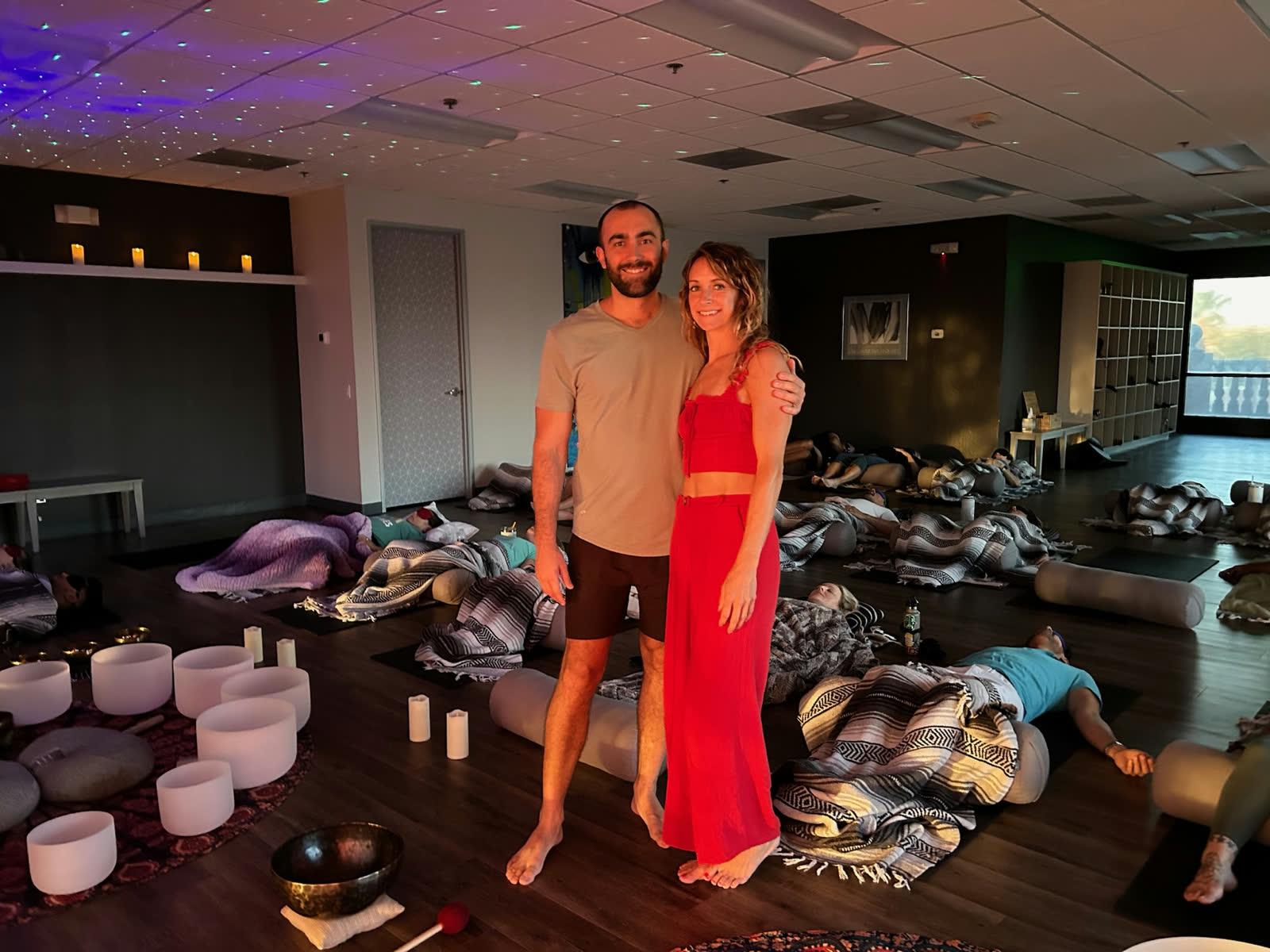
People walk into class with tight shoulders and shallow breathing. An hour later their shoulders are down and their breath is slow.
Focus and Mental Clarity
I've used Breathwork before every major business decision I've made, and many of our Liquid Breathwork members (entrepreneurs and creatives, mostly) do the same before their hardest work.
Depression and Emotional Regulation
Early studies link rhythmic breathing to fewer symptoms of depression and PTSD and to better emotional regulation. It does not replace mental health care, but it pairs well with it. Some therapists attend our classes and teacher training certification program to bring conscious breathing into their clinical work.
Physical Benefits of Breathwork
Breathwork changes your body in measurable ways, including lung capacity.
Vagal Tone and the Nervous System
Your vagus nerve is the longest cranial nerve in your body, running from your brainstem to your gut. It regulates your parasympathetic nervous system. Slow diaphragmatic breathing stimulates it and triggers the relaxation response.
Higher vagal tone is associated with better emotional resilience, digestion, and lower inflammation. Over time, slow breathing trains your nervous system to recover faster after a hard day. It can also improve sleep quality.
Heart Rate Variability (HRV)
Heart rate variability (the variation in time between heartbeats) is a common marker of health and recovery. Higher HRV is linked to better cardiovascular health and athletic recovery. Low HRV is associated with chronic disease and burnout.
Slow breathing at around six breaths per minute, a cadence we use often in class, consistently improves HRV and blood pressure regulation. It creates cardiac coherence, where heart rhythm and breathing fall into sync.
Immune System Support
In the Wim Hof Method studies, practitioners voluntarily influenced their immune response by activating the sympathetic nervous system with specific breathing patterns. When exposed to bacterial endotoxins, they showed more anti-inflammatory markers and fewer symptoms. The research is still early.
Pain and Inflammation
On inflammation, the closest evidence is the 2014 Wim Hof Method study above, which tested breathing together with meditation and cold exposure, so it does not isolate the breath. Students in Phoenix, Flagstaff, Prescott, and Tucson have told us regular Breathwork helped with chronic pain that medication alone couldn't fully address.
Emotional and Spiritual Benefits of Breathwork
Trauma and Emotional Release
Unprocessed grief, anger, and fear tend to show up as muscle tension and in how you breathe. Breathwork can help the body let that go safely.
In classes and retreats I've seen people release emotions they'd carried for decades. Some cry, some laugh, some shake or go still. We guide the breath and never force a release.
Non-Ordinary States of Consciousness
Some Breathwork traditions, such as holotropic Breathwork, come from spiritual practice. Certain techniques can induce non-ordinary states of consciousness without any substances.
Resilience Over Time
With regular practice you get less reactive and more grounded. The change is gradual. The benefits of daily Breathwork add up: in the Stanford trial below, five minutes a day for one month was enough to improve mood.
What the Science Says About Breathwork
- Stress Reduction: A Stanford University study (2023) compared three five-minute daily breathing practices with mindfulness meditation over one month. Exhale-focused cyclic sighing produced the greatest improvement in mood and the largest drop in respiratory rate (Balban et al., Cell Reports Medicine 2023, PubMed 36630953).
- Anxiety: A 2023 meta-analysis of randomised controlled trials found Breathwork was associated with lower self-reported anxiety than controls, a small-to-medium effect (Fincham et al., Scientific Reports 2023, PubMed 36624160).
Who Is Breathwork For?
Most people in our classes come for stress, anxiety, burnout, or poor sleep. We also see athletes after better recovery, people working through grief or a big life change, and yoga and meditation regulars. Therapists and coaches who want to lead sessions train through our Breathwork certification program.
Some breathing techniques are not appropriate for people with certain medical conditions, including cardiovascular issues, epilepsy, or pregnancy. Check with your doctor if you have concerns. Our facilitators can offer modifications.
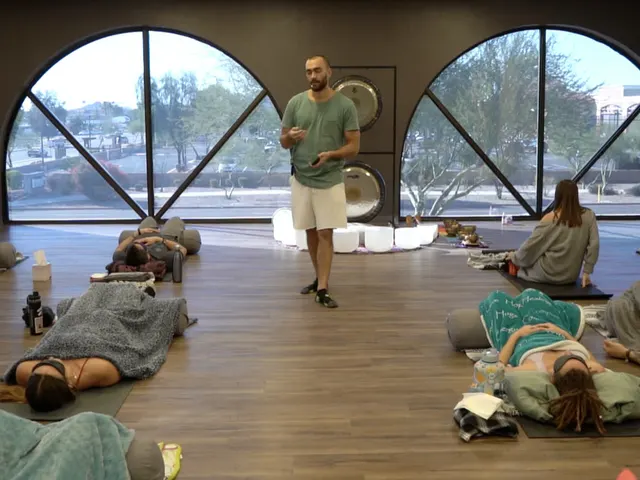
Feel our style first
Get a free recording of one of our live Breathwork classes.
Get My Free RecordingHow to Start Getting the Benefits of Breathwork
Book one of our upcoming Breathwork classes in Phoenix, Flagstaff, Prescott, or Tucson, or read more techniques on the blog.
Membership: 7-Day Free Trial
Recordings of our live in-person sessions, with music and voice guidance. Cancel anytime.